
Introduction
Shivapuri Trekking is one of the most rewarding short hiking experiences near Kathmandu, offering travelers an opportunity to escape the busy city and explore peaceful forests, hilltop viewpoints, traditional settlements, and beautiful Himalayan landscapes. Located within the Shivapuri Nagarjun National Park, the trekking route combines natural beauty, cultural experiences, fresh mountain air, and panoramic views without requiring a long journey into the high Himalayas.
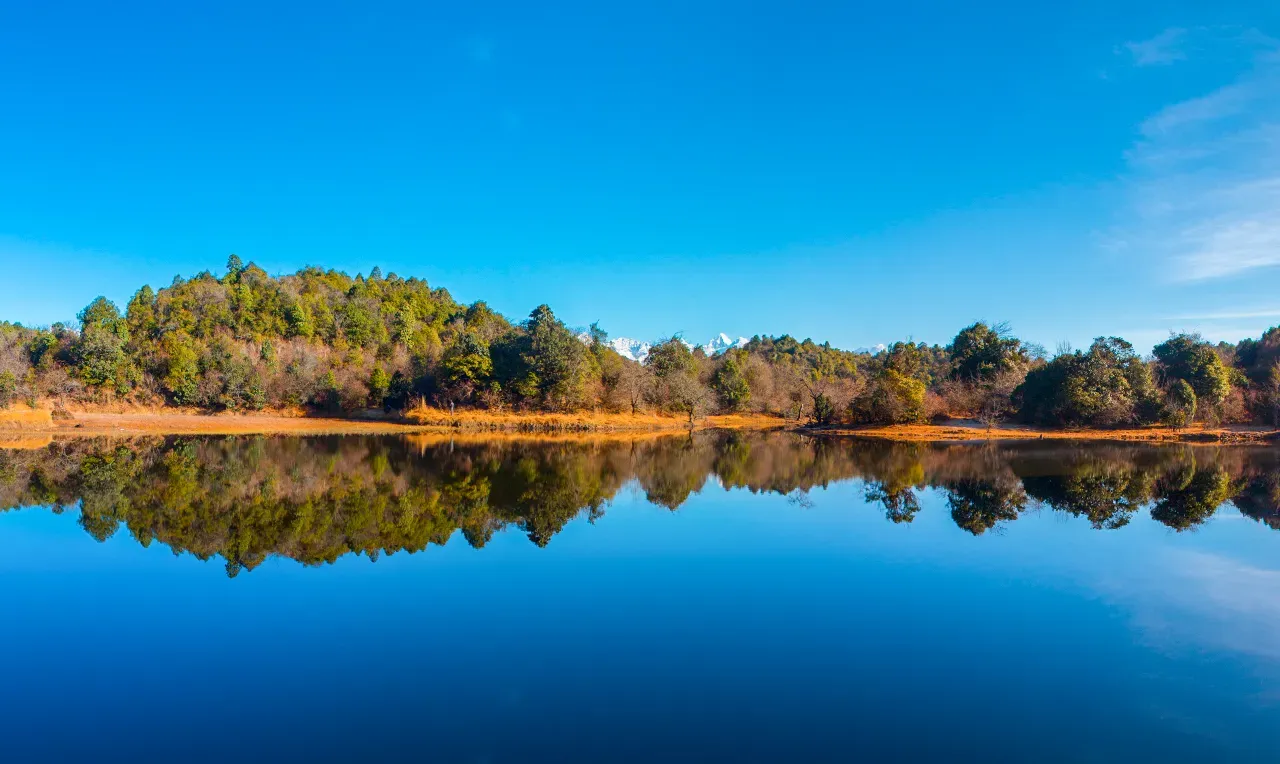
The trek is particularly suitable for travelers with limited time in Nepal who still want to experience the country’s mountain environment. Instead of spending several days traveling to remote trekking regions, visitors can reach the Shivapuri area from Kathmandu and begin hiking through lush woodland and scenic hill trails.
With its accessible location, moderate walking routes, rich biodiversity, and spectacular viewpoints, Shivapuri Trekking provides a refreshing introduction to Nepal’s natural landscapes.
Where Is Shivapuri?
Shivapuri lies on the northern edge of the Kathmandu Valley and is one of the most prominent green mountain areas surrounding the capital. The region is protected as part of Shivapuri Nagarjun National Park, an important natural area that preserves forests, wildlife habitats, streams, and mountain ecosystems.
Shivapuri Peak rises to approximately 2,700 meters above sea level. The elevation is high enough to provide impressive views while remaining accessible for travelers who are not prepared for extreme high-altitude trekking.
The area is also important as a source of water for communities in the Kathmandu Valley. Forests and streams contribute to the region’s ecological importance.
Why Choose Shivapuri Trekking?
There are several reasons why Shivapuri Trekking is a popular choice for short adventures near Kathmandu.
The first advantage is accessibility. Travelers can reach the trailhead relatively quickly from central Kathmandu, making it possible to complete the trek as a day hike or incorporate it into a longer itinerary.
The second attraction is the natural environment. The route passes through dense forests containing oak, rhododendron, pine, and other vegetation. The peaceful surroundings provide a strong contrast to the traffic and noise of the city.
Another attraction is the opportunity to enjoy Himalayan views. On clear days, viewpoints along the route can reveal distant snow-covered peaks and broad views across the Kathmandu Valley.
The trek also provides opportunities to encounter Buddhist monasteries, temples, shrines, and local villages, creating a combination of nature and culture.
Major Highlights of Shivapuri Trekking
The Shivapuri Trekking experience can include several natural and cultural highlights:
-
Hiking through peaceful forest trails
-
Reaching Shivapuri Peak and surrounding viewpoints
-
Panoramic views of the Kathmandu Valley
-
Distant views of Himalayan mountain ranges
-
Rich forests and diverse vegetation
-
Birdwatching and wildlife observation
-
Visits to monasteries and religious sites
-
Fresh mountain air away from the city
-
Opportunities to explore rural communities
-
A convenient short trekking experience near Kathmandu
The combination of forest scenery and mountain views makes the trek particularly attractive to nature lovers and photographers.
Shivapuri Trekking Route
The route can vary depending on the starting point and duration. A common approach begins from the northern side of Kathmandu, where trekkers enter the national park and begin climbing through forested trails.
The trail gradually becomes steeper as it moves toward higher elevations. Stone steps and established paths may be encountered in sections, while other parts involve natural forest trails.
As the elevation increases, the vegetation changes and the surrounding landscape becomes more open. Trekkers eventually reach viewpoints where they can enjoy broad panoramas of the valley and, on clear days, distant Himalayan peaks.
After reaching the desired viewpoint or summit area, trekkers descend through the forest and return to the Kathmandu Valley.
Some itineraries can be extended to include additional attractions, monasteries, or nearby villages.
Difficulty Level
Shivapuri Trekking is generally considered an easy-to-moderate hiking experience, although the difficulty depends on the chosen route and walking duration.
The trek does not involve technical climbing, but the climb toward Shivapuri Peak can be physically demanding because of continuous uphill sections and stone steps.
Travelers with reasonable fitness can usually manage the route with a steady pace. Basic preparation through walking, stair climbing, and light hiking can improve endurance.
Comfortable hiking shoes are strongly recommended because forest trails can become slippery, particularly after rainfall.
Trekkers should also carry sufficient drinking water because access to reliable water sources may be limited along some sections.
Best Time for Shivapuri Trekking
The best seasons for Shivapuri Trekking are generally spring and autumn.
Spring, from March to May, is especially attractive because the forests become vibrant with blooming rhododendrons and other plants. Temperatures are generally pleasant for daytime hiking.
Autumn, from September to November, usually offers clear skies and comfortable conditions. The atmosphere following the monsoon can provide excellent visibility of the Kathmandu Valley and distant mountains.
Winter can also be suitable for trekking, although mornings and evenings may be cold. Warm clothing is recommended.
The summer monsoon brings frequent rainfall, which can make forest trails muddy and slippery. Clouds can also reduce visibility. Trekkers visiting during the rainy season should carry waterproof clothing and take additional care on steep sections.
Flora and Wildlife
One of the most appealing features of Shivapuri Trekking is the area’s biodiversity.
The national park contains forests dominated by species such as oak, rhododendron, pine, and other Himalayan plants. The changing elevation creates different ecological environments throughout the hiking route.
The park is also home to various birds and wildlife. Birdwatchers may have opportunities to observe different Himalayan and woodland species.
Animals found within the broader protected area include species adapted to the forest environment, although sightings are unpredictable.
Travelers should avoid feeding wildlife, making excessive noise, or disturbing animals and their habitats.
Cultural and Spiritual Attractions
Shivapuri is not only a natural destination but also an area with cultural and spiritual significance.
The surrounding hills contain monasteries, temples, shrines, prayer flags, and meditation centers. These sites reflect the diverse religious traditions found around Kathmandu.
Visitors may encounter Buddhist practices as well as Hindu religious traditions during the journey. Some trails connect to spiritual destinations that have long been visited by pilgrims and local residents.
Travelers should behave respectfully around religious sites. Appropriate clothing, quiet behavior, and permission before taking photographs are important considerations.
Accommodation and Food
Because Shivapuri Trekking is close to Kathmandu, most visitors do not need to stay overnight on the trail. A day trek can begin and end in the city.
Travelers who want to extend their experience can find accommodation in surrounding areas, depending on their chosen itinerary.
Food is generally easy to arrange before or after the hike. Local restaurants and cafés around the Kathmandu Valley offer traditional Nepali meals such as dal bhat, momos, noodles, vegetables, and soups.
For the hiking portion, trekkers should carry enough water and a few lightweight snacks such as fruit, nuts, energy bars, or chocolate.
What to Pack
The short nature of the trek means that travelers do not need extensive equipment. However, a few essentials can make the hike considerably more comfortable.
Recommended items include:
-
Comfortable hiking shoes with good grip
-
Lightweight daypack
-
Reusable water bottle
-
Light jacket or warm layer
-
Rain jacket during the monsoon
-
Hat or cap
-
Sunglasses
-
Sunscreen
-
Basic first-aid supplies
-
Personal medications
-
Energy snacks
-
Phone or camera
-
Power bank
The weather can change quickly in the hills, so carrying an extra layer is advisable even on apparently warm days.
Safety Considerations
Although Shivapuri is close to Kathmandu, hikers should not underestimate the importance of basic safety.
Check the weather before starting the trek and avoid unfamiliar trails without adequate navigation or local guidance. During the rainy season, take extra care on slippery stone steps and muddy paths.
Starting early is generally useful because it provides sufficient time to complete the hike before darkness. Carrying a fully charged phone and emergency contact information is also recommended.
Travelers unfamiliar with the area may benefit from hiring a local guide, particularly if they want to explore less-frequented trails or learn more about the region’s natural and cultural heritage.
Responsible Trekking
Shivapuri’s proximity to Kathmandu means the area receives many visitors, making responsible tourism especially important.
Trekkers should carry their rubbish back with them, avoid single-use plastics where possible, and never leave waste in the forest.
Visitors should stay on established trails and avoid damaging vegetation. They should also respect local residents, religious sites, wildlife, and other hikers.
Supporting local cafés, guides, community businesses, and other services can help contribute to sustainable tourism in the surrounding communities.
Conclusion
Shivapuri Trekking offers an excellent opportunity to experience Nepal’s natural beauty without traveling far from Kathmandu. Its peaceful forests, fresh mountain environment, cultural attractions, wildlife, and panoramic viewpoints make it an ideal short adventure for both first-time visitors and experienced hikers.
The route provides a refreshing contrast to the busy atmosphere of the capital. Within a relatively short period, travelers can move from an urban environment into dense Himalayan woodland and reach elevated viewpoints overlooking the Kathmandu Valley.
Although the trek is accessible, proper footwear, sufficient water, suitable clothing, and awareness of weather conditions remain important. Spring and autumn are particularly favorable seasons, while careful preparation is necessary during the rainy or colder months.
For travelers with limited time who want to combine outdoor adventure with cultural and natural exploration, Shivapuri Trekking is a rewarding choice. Its convenient location and diverse scenery demonstrate that experiencing the beauty of Nepal’s hills does not always require a long expedition. Sometimes, a short journey into the forests above Kathmandu is enough to create an unforgettable Himalayan experience.
